
Winter Motorcycle Riding: What Matters Most
Riding a motorcycle through a British winter? Discover what really matters, from tyres and icy roads to staying warm, improving visibility and stopping rust.
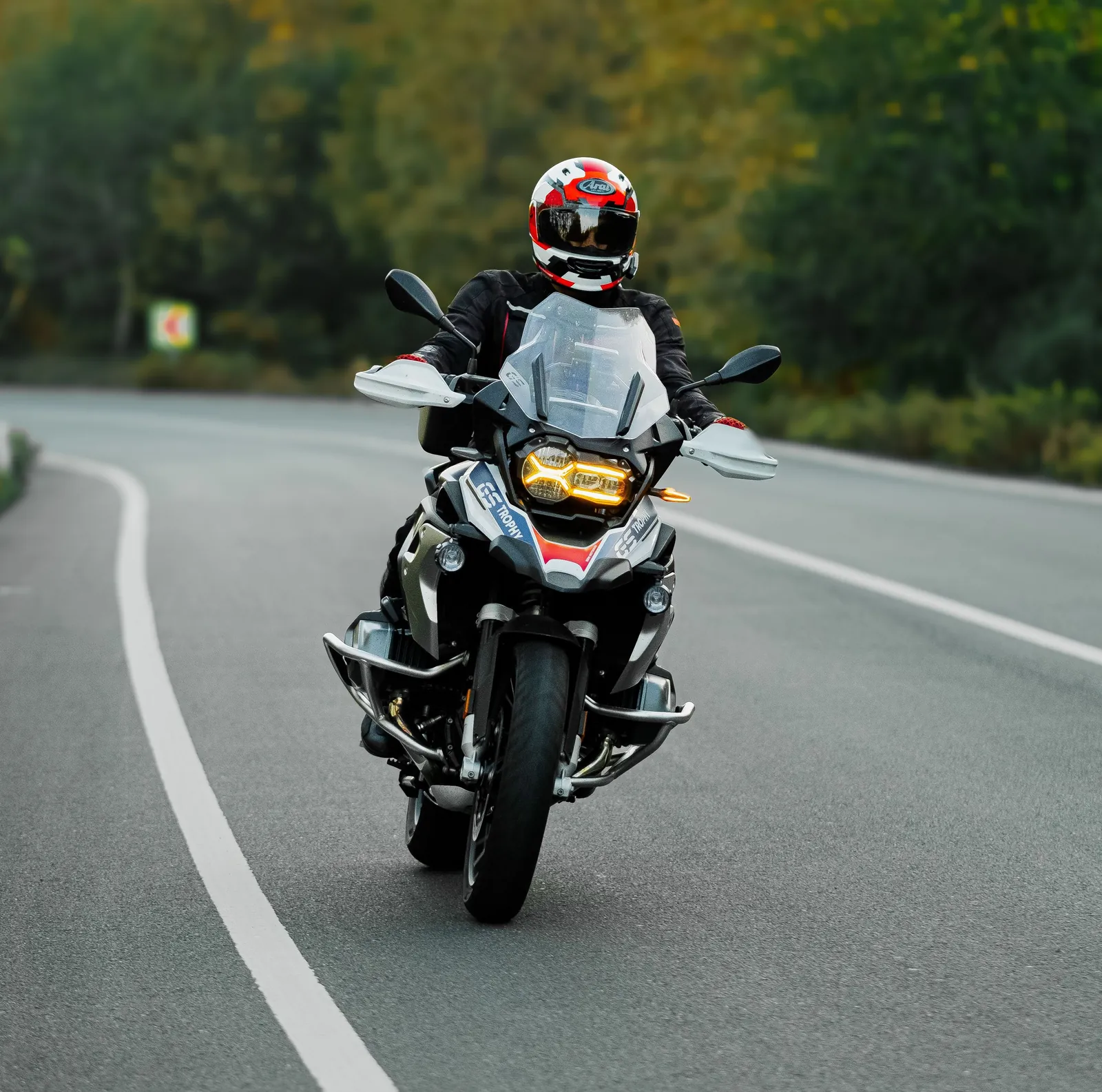
There's something strangely satisfying about riding a motorcycle through winter. Empty roads on a crisp morning, no waiting for the car to warm up and the smug feeling of getting home while everyone else is stuck in traffic.
Then there's the other side of it. Freezing fingers, a visor covered in salty spray, slippery roundabouts and arriving at work with boots full of water. British winters certainly know how to take the fun out of motorcycling.
So what actually makes the biggest difference? After looking at advice from tyre manufacturers, motorcycle publications and riders who commute all year, it's clear that winter riding isn't just about buying thicker gloves.
It's about making better decisions before, during and after every ride.
Good tyres beat clever electronics
I'd put tyres right at the top of the list. Not because every motorcycle needs special winter tyres, but because the rubber you've already got makes a big difference when temperatures drop.
Michelin's advice is interesting here. Modern sport-touring tyres are designed to work across a fairly wide temperature range and can provide useful grip from the start of a journey. Some sportier tyres, which place greater emphasis on performance at higher temperatures, may need more caution in cold conditions.
That doesn't mean you need to ride around weaving from side to side trying to heat your tyres. Michelin recommends setting off moderately and allowing them to warm naturally through normal riding.
Tyre pressure matters too. Check it while the tyres are cold, using your bike manufacturer's recommended settings. Don't deliberately drop the pressures because you think a bigger contact patch will help in winter.
And look at your tread. The UK legal minimum for most motorcycle tyres is 1mm across a continuous band covering at least three-quarters of the tread width, around the whole tyre. That's the legal limit, not necessarily a sensible target for riding through months of heavy rain.
If your tyres are squared off, old, cracked or approaching the wear indicators, replacing them could make more difference than almost any accessory you buy.
The real danger is changing road conditions
Rain is unpleasant, but it's usually predictable. The more worrying part of winter is how quickly grip can change.
A road might be perfectly rideable in the middle of town, then become slippery on a shaded bend a few miles later. Bridges cool more quickly because they're exposed to cold air, while quiet back roads may receive little or no gritting.
And don't assume a road is safe just because you've seen a gritter. Councils point out that rain can wash salt away, traffic is needed to help work it into the road, and conditions can change before treatment takes effect.
The Highway Code says stopping distances are at least doubled on wet roads and can be ten times greater on icy or snowy surfaces. That's a serious difference.
My approach would be simple: slow down before corners, keep braking and acceleration progressive, and leave more space than feels necessary. Watch for wet leaves, diesel around junctions, shiny road markings and drain covers.
If you're looking at an actual risk of black ice, though, the best riding technique is often not riding at all. No amount of traction control can create grip that isn't there.
Keeping your hands warm changes everything
Ask riders who commute through winter what equipment they'd refuse to give up, and hand protection comes up again and again.
It's easy to understand why. Once your fingers get properly cold, pulling the clutch, using the indicators or getting a comfortable feel for the front brake can become unpleasant.
Heated grips are popular, but they have a limitation: most of the heat goes into your palms, while cold air still hits the backs of your hands and fingers.
That's why so many year-round riders recommend combining heated grips with handguards or handlebar muffs. The muffs aren't particularly stylish, but stopping the wind from hitting your gloves can be remarkably effective.
Heated gloves are another option, especially for longer journeys. They warm more of the hand, although battery life, wiring and waterproofing are worth checking before you buy.
There's no need to purchase everything at once. I'd start with properly fitting, waterproof motorcycle gloves and something to block the wind. Whatever setup you choose, make sure bulky gloves or muffs can't interfere with the throttle, levers or other controls.
Waterproof clothing is more important than bulky clothing
You can wear three jumpers and still be freezing after twenty minutes if cold rain has soaked through your jacket.
The better approach is a moisture-wicking base layer, a warm mid-layer and a protective motorcycle jacket that keeps wind and water out. You want enough warmth without restricting your movement or compromising the fit of your armour.
Don't overlook your neck, wrists and ankles. Small gaps between gloves and sleeves or trousers and boots can let in a surprising amount of cold air.
A cheap waterproof oversuit can also be useful if your existing motorcycle clothing isn't particularly weatherproof. It's not glamorous, but it can cost considerably less than replacing your entire kit.
One tip that comes up repeatedly in winter-riding discussions is drying your gear properly when you reach work. If your gloves are still damp when it's time to head home, the second journey can be far worse than the first.
Seeing properly is half the battle
Winter brings short days, dirty roads and plenty of spray from cars and lorries. Your visor can become almost useless surprisingly quickly.
A properly fitted Pinlock or similar anti-fog insert is well worth considering, but make sure it's installed correctly and isn't scratched or damaged. Keep the outside of the visor clean too.
One thing I'd carry is a clean microfibre cloth in a waterproof bag. Road salt can leave a greasy-looking film across your visor, and trying to wipe it away with a dirty glove often makes things worse. If your vision becomes obscured, stop somewhere safe before cleaning it.
Clean your headlight, indicators, rear light and mirrors regularly. Reflective details on your clothing can help other road users notice you, although they aren't a guarantee of being seen.
And watch out for low winter sun. A damp road and sunlight directly in your eyes can be every bit as troublesome as riding after dark.
Road salt is the enemy of a clean motorcycle
If you're planning to ride all winter, accept that your bike is going to get filthy.
The real problem isn't cosmetic dirt. Road salt encourages corrosion, particularly around fasteners, wheels, suspension components and exposed metalwork.
Bennetts BikeSocial carried out extensive corrosion-protection testing in 2026, comparing products including ACF-50, XCP Rust Blocker and other popular sprays. Its testing found that protection varies significantly between products.
A suitable corrosion inhibitor can help, but proper preparation and application matter. Clean the motorcycle first, follow the product instructions and never allow oily protective spray onto brake discs, pads, tyres or grips.
Regular rinsing is important too. You don't need to spend hours polishing your bike after every winter commute, but washing accumulated salt from vulnerable areas can prevent bigger problems later.
Pay special attention to the chain. Wet roads and salt can accelerate corrosion, so check chain tension, clean it as needed and keep it lubricated according to your bike manufacturer's guidance.
For a motorcycle used every day, I'd rather spend ten minutes on basic maintenance regularly than face a collection of seized bolts and rusty components in spring.
Don't forget the battery
Cold weather can expose a battery that's already getting weak. Add short journeys, heated grips and other electrical accessories, and you may find yourself struggling to start the bike on a freezing morning.
Check the battery's condition and connections before winter really sets in. If the motorcycle sits unused for long periods, a suitable smart charger or maintainer can help, provided it's compatible with your battery type.
It's also worth making sure your motorcycle's charging system can support any electrical accessories you plan to fit, particularly on smaller-capacity bikes.
A quick pre-ride check of the tyres, lights, brakes, chain and controls is a good habit all year, but particularly useful when you're relying on the bike through winter.
Your route matters almost as much as your riding
One of the more useful points from experienced winter commuters is that the shortest route isn't always the best one.
A quiet country lane might be brilliant in July but miserable in January. Poor lighting, standing water, mud from farm traffic and untreated surfaces all add risk.
Sometimes taking a slightly longer route along busier, better-maintained roads makes more sense.
Check the forecast for both journeys, too. A dry ride to work doesn't mean the trip home will be dry, and a road that's merely damp in the morning could be icy after sunset.
Leave enough time that you don't feel pressured to rush. When conditions are poor, having the freedom to slow down or change your route is a real advantage.
Is winter motorcycle riding actually worth it?
I think it can be, particularly if motorcycling is your main transport or you simply don't want to park the bike for four months.
But winter rewards preparation more than enthusiasm. Good tyres, proper waterproof clothing, warm hands and regular cleaning will probably make a bigger difference than most expensive upgrades.
The most useful lesson is knowing which conditions you can manage and which ones aren't worth the risk.
Cold and wet doesn't automatically mean you can't ride. Snow, freezing rain and suspected black ice are a different story.
There's no shame in leaving the bike at home when the roads look dangerous. It'll still be there when the weather improves.
Sources and further reading
- The Highway Code: Driving in adverse weather
- DVSA: Motorcycle tyre inspection requirements
- Michelin: Cold-weather motorcycle tyre advice, September 2026
- Michelin: Motorcycle tyre pressure guide
- Bennetts BikeSocial: Winter motorcycle riding
- Bennetts BikeSocial: Corrosion protectants tested in 2026
- Local Government Association: How road gritting works
- r/MotoUK: Riders discuss winter riding tips
- r/MotoUK: Heated gloves or heated grips?